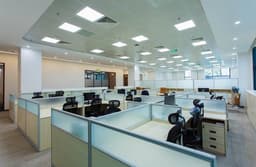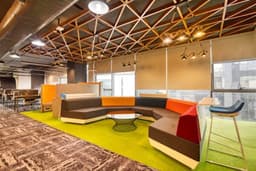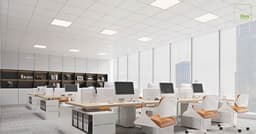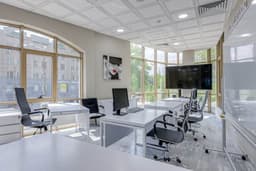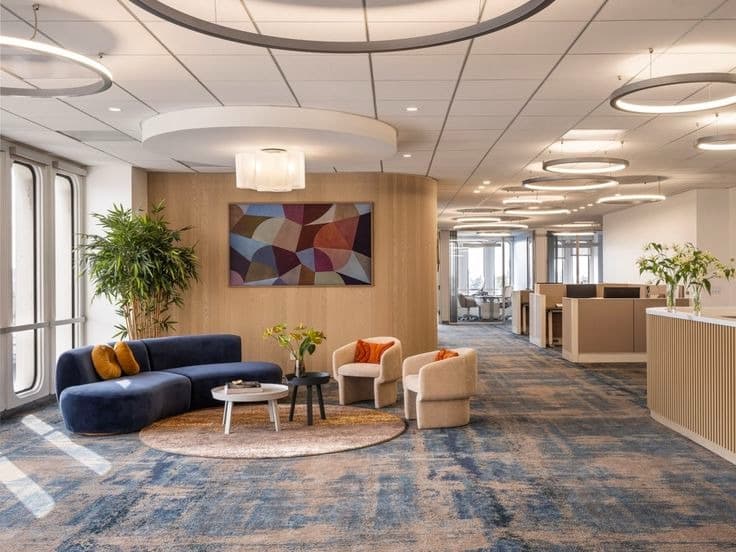
Planning an office space is really exciting. Without a budget, even a great project can become very stressful. A well-thought-out office interior budget helps businesses control expenses and create a workspace that supports productivity and growth. Office interior budget planning is crucial for businesses.
Whether you are designing a startup office, renovating a workspace, or expanding into a space, having a structured financial plan is essential. At Onefold Designs, we help businesses create cost-effective interiors that balance functionality, aesthetics and long-term value. Office interior budget planning helps businesses.
So why is office interior budget planning important?
Without a proper understanding of the costs involved, companies are focusing on design ideas and furniture selection. No proper planning causes delayed delivery, overspending, and quality issues. A well-planned office interior budget helps businesses allocate resources effectively. It helps them avoid expenses.
There are some benefits of a planned office budget. These include:
- Prioritizing elements
- Planning future workspace expansion
- Maintaining execution quality within budget
- Improving project timelines
A planned budget also ensures that the workspace aligns with the company’s needs and brand image.

Step 1: Understanding Your Office Requirements
To start, businesses should clearly define their office needs. Some important questions include:
- How many employees will use the office space?
- Will the office support work from home?
- Are meeting rooms and collaboration zones required?
- Is expansion expected?
- What type of work culture does the company want to create?
The answers to these questions directly influence space planning, furniture requirements, electrical layouts, and overall design complexity.
At Onefold Designs, the planning phase focuses on understanding workflow, employee movement, and business operations before beginning the office design process.
Step 2: Divide the Office Budget into Categories
These categories include:
- Furniture and Workstations: This includes workstations, ergonomic chairs, meeting tables, reception furniture, lounge seating, and storage units.
- Civil and Partition Work: This includes glass and gypsum partitions, building cabins, ceiling work, and painting and finishing.
- Networking: Modern offices need an IT infrastructure to work properly. This budget selection includes lighting systems, server setup, networking points, power backup, smart office automation, and meeting room infrastructure.
- Ceiling: The materials used for flooring and ceilings can really change how the workspace looks. It includes vinyl flooring, wooden flooring, carpet tiles, and acoustic ceilings.

- Branding & Decor: Branding elements help businesses create their identity. Businesses use branding to stand out. Then it’s crucial to set priorities and avoid overspending.
Step 3: Priorities Instead of Overspending
A mistake businesses make is trying to complete everything at once. Smart office interior budgeting focuses on priorities.
Start by investing in
- Workspace planning
- Employee comfort
- Essential technology
- Quality lighting
- Durable materials
At Onefold Designs, projects are planned to maximise utility and long-term performance rather than spending.

Step 4: Plan for Hidden Costs
Many companies underestimate costs during office execution. Some overlooked expenses include:
- Electrical upgrades
- HVAC modifications
- Internet and networking infrastructure
- Government approvals
- Maintenance access planning
- Acoustic treatments
- Delivery and installation charges
Maintaining a 10-15% contingency reserve of the office budget helps cover expenses.
Step 5: Focus on Long-term Value
Finally, businesses should focus on long-term value. Choosing materials or contractors that may reduce costs but often increase maintenance expenses is not a good idea.
Instead, businesses should focus on the following:
- Furniture
- Quality electrical systems
- Efficient lighting solutions
- Flexible layouts
- Sustainable materials
Office interior budget planning is essential for businesses. A well-designed office improves productivity, reduces maintenance issues, and creates a better working environment for employees.
Modern office interior trends are also affecting budget planning
Commercial workspaces are rapidly evolving. Today’s businesses are investing in offices that support collaboration, flexibility, and employee wellness.
Office interior trends include:
- Hybrid workspace layouts
- Collaborative breakout zones
- Acoustic meeting rooms
- Wellness-focused interiors
- Smart office technology
- Sustainable materials
- Flexible seating arrangements

Why Do Businesses Choose Onefold Designs?
At Onefold Designs, we specialise in designing and executing interiors tailored to business goals and budgets. Our approach combines
- Office space planning
- Cost-efficient design solutions
- Premium execution quality
- Functional workspace optimisation
- Transparent project management.
Conclusion
Creating a workspace starts with planning. A well-planned office interior budget allows businesses to control costs while building an office environment. The right office interior partner helps businesses balance design, functionality, and cost efficiency throughout the project.
With expert planning and execution from Onefold Designs, businesses can create workspaces that not only look impressive but also support long-term growth and operational success. Office interior budget planning is essential for businesses. We help businesses create cool interiors that balance functionality, aesthetics, and long-term value.