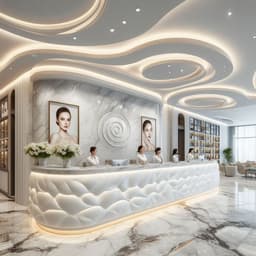
Commercial interior design is undergoing rapid transformation as global business needs shift, technology evolves, and consumer expectations rise. What once focused mainly on layout and décor has now expanded to include strategy-driven design—prioritizing wellness, sustainability, flexibility, branding, and digital integration. As we move into 2026 and beyond, commercial interiors must respond to changing lifestyles, work habits, and user behaviors while aligning with business goals.
From smart office design and flexible workspaces to advanced sustainability and immersive brand environments, the future of commercial interiors will be more intuitive, human-centered, and technology-driven. This article explores the top interior design trends shaping commercial spaces and how businesses can adapt to create impactful, future-ready environments.
1. Human-Centric Design Takes Priority
One of the most significant shifts in commercial interior trends is the increased focus on human well-being. Businesses now recognize that employee happiness, productivity, and health directly influence brand performance.
Key features of human-centric design include:
- Ergonomic furniture
- Adjustable workstations
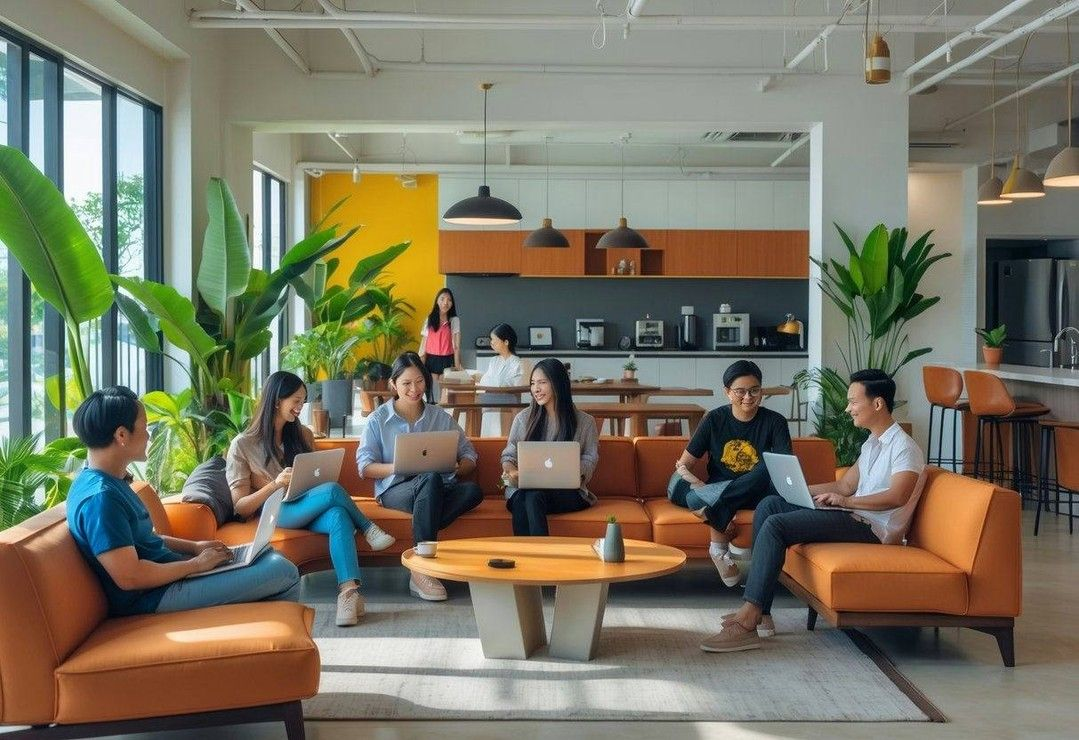
- Quiet and relaxation zones
- Biophilic design elements (plants, natural textures, daylight access)
- Sensory regulating environments
Studies show that employee-friendly environments lead to improved morale, reduced absenteeism, and better workplace engagement. In retail and hospitality environments, human-centric design enhances comfort, emotional connection, and customer loyalty.
2. Hybrid and Flexible Workspaces Are Becoming the Norm
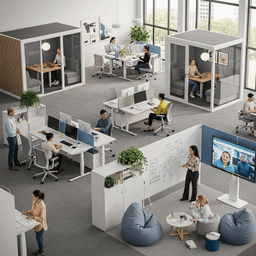
The rise of remote and hybrid work has reshaped how companies design commercial offices. Traditional cubicles and rigid layouts are being replaced with flexible, multi-use environments.
Emerging workspace solutions include:
- Modular furniture and movable walls
- Hot-desking and shared workstations
- Conference rooms designed for virtual collaboration
- Soundproof pods for focused work
- Flexible lounge-style work areas
This shift ensures offices remain functional, adaptable, and efficient as business operations evolve.
3. Technology-Integrated Smart Interiors
Technology is no longer an add-on—it is now an essential component of commercial interior planning. Smart building systems are being integrated to improve security, efficiency, user experience, and sustainability.
Examples include:
- IoT-enabled lighting and climate control
- AI-driven workplace booking systems
- Digital signage and interactive screens
- Smart storage and inventory solutions
- Voice-controlled devices
- Touchless access systems
In retail environments, digital mirrors, AR fitting rooms, and real-time product availability displays enhance the shopping experience. In offices, automation reduces energy usage and creates intelligent, responsive environments.
4. Sustainability and Eco-Friendly Materials Become Standard
Sustainability has shifted from a trend to a requirement. Businesses are increasingly adopting materials, systems, and processes that reduce environmental impact.
Future-forward commercial interiors will incorporate:
- Energy-efficient lighting and appliances
- Low-VOC paints and adhesives
- Recycled or repurposed materials
- Carbon-neutral building practices
- Water conservation systems
- Renewable energy sources, such as solar integration
Sustainability is not only an environmental responsibility—it is now a brand expectation among employees, clients, and consumers.
5. Biophilic Design Expands Beyond Plants
Biophilic design is evolving from decorative plants to more immersive natural environments. Research shows that exposure to natural elements reduces stress, increases creativity, and improves productivity.
Next-generation biophilic design uses:
- Organic materials like wood, bamboo, cork, and stone
- Water features and natural ambient acoustics
- Daylight optimization with large windows and skylights
- Nature-inspired patterns, textures, and colors
- Living walls or indoor gardens
Biophilic design bridges the gap between built environments and nature, supporting mental well-being and emotional connection.
6. Bold Brand Identity and Experiential Design
Brand experience is becoming a central focus of commercial interior design. Businesses are shifting from neutral, generic interiors to immersive branded environments.
This trend includes:
- Custom artwork and storytelling installations
- Branded color palettes integrated into finishes and lighting
- Signature scent strategies
- Flexible zones designed around customer journeys
Retail, hospitality, and coworking spaces especially benefit from experiential design, which encourages engagement, emotional connection, and memorable user experiences.
7. Hospitality-Style Commercial Design
The boundaries between hospitality, retail, and workspaces are blurring. Future commercial interiors are becoming more relaxed, welcoming, and lifestyle-focused.
Office spaces now include:
- Coffee bars
- Soft seating lounges
- Wellness rooms
- Restaurant-style breakout areas
Retail stores are integrating experiential spaces such as reading corners, gaming screens, tasting stations, and micro event zones to make customers stay longer and engage deeper with the brand.
8. Personalization and Custom Modular Solutions
One-size-fits-all interiors are no longer effective. The future is personalized, adaptable, and customizable.
Commercial interiors will adopt:
- Custom modular furniture
- Scalable design systems
- Interchangeable displays and partitions
- Seasonal experience zones
This approach enables businesses to respond to technological, operational, or cultural needs with minimal disruption.
9. Acoustic and Lighting Innovation
As open spaces and hybrid work environments continue to grow, acoustics and lighting design will become critical.
Key advancements include:
- Acoustic furniture and decorative sound panels
- Zoned lighting for different areas
- Human-centric circadian lighting systems
- Motion-controlled task lighting
- Dynamic color-changing LEDs for ambiance
These solutions improve comfort, productivity, and user experience in diverse commercial environments.
10. AI-Driven Design, Automation, and Digital Twins
Artificial Intelligence is transforming the planning and execution of interior design. Designers can now simulate environments before construction using digital twin models.
Benefits include:
- Accurate space planning
- Faster execution timelines
- Reduced waste and costs
- Real-time forecasting of user flow and functionality
AI will continue improving how commercial spaces are designed, maintained, and optimized over time.
Conclusion
The future of commercial interiors is dynamic, sustainable, technology-driven, and deeply human-centered. As businesses evolve beyond traditional models, interior spaces must support flexibility, well-being, engagement, and innovation.
Organizations that embrace these trends will create environments that not only look modern but also enhance productivity, strengthen brand identity, and provide meaningful experiences for users.
The commercial spaces of tomorrow are not just built to function—they are built to inspire, connect, and evolve.