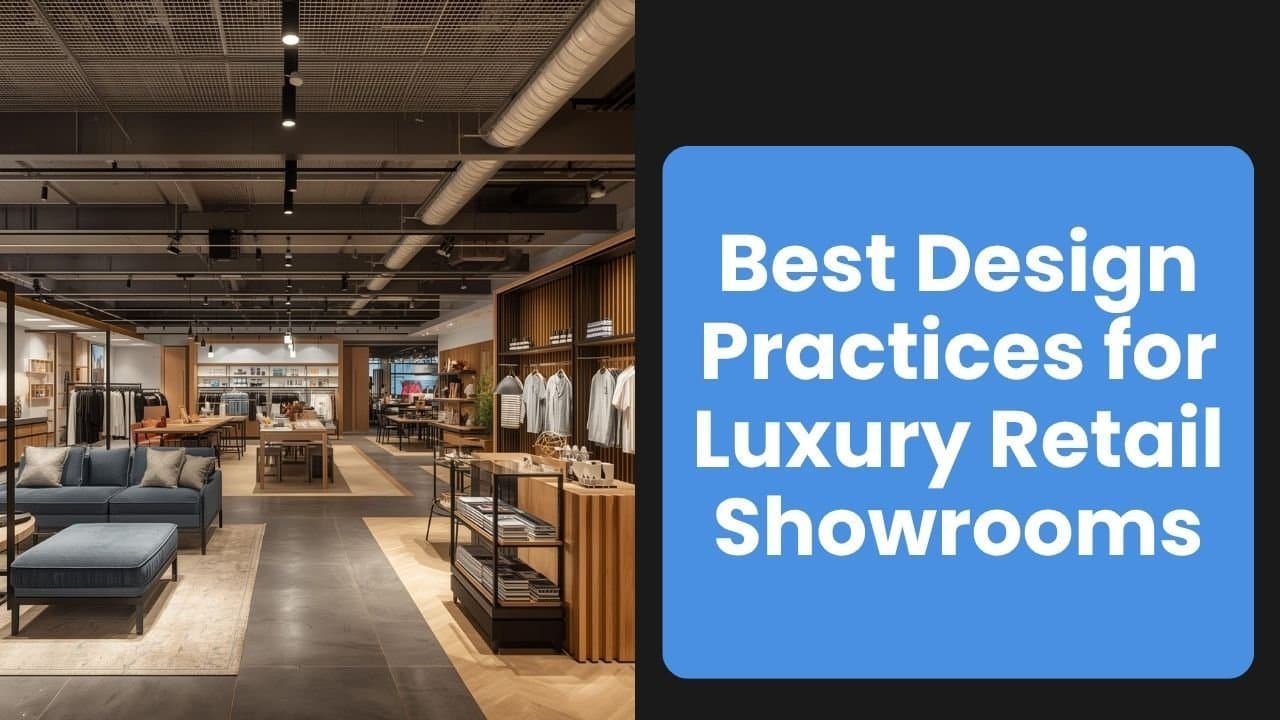
In today’s highly competitive retail industry, luxury brands understand that their showrooms are not merely points of sale — they are powerful storytelling spaces. The essence of a luxury showroom lies in creating an immersive environment that reflects exclusivity, craftsmanship, and emotion. Every element — from lighting and materials to spatial flow and customer experience plays a crucial role in influencing perception and behavior.
A thoughtfully planned design and build approach ensures that every square foot of a luxury showroom aligns with the brand’s philosophy, while interior designs crafted with precision elevate both aesthetic and functionality. The objective is simple yet profound: to design a space that not only attracts customers but also creates memorable brand experiences.
1. Create a Strong Brand Identity Through Spatial Storytelling
A luxury retail showroom must tell a story the story of the brand’s heritage, values, and vision. The design should align with the brand’s tone, whether it’s classic elegance, modern sophistication, or minimalist refinement. Visual storytelling through material choices, color palettes, and architectural elements helps customers connect emotionally with the brand. For example, marble flooring, brass accents, or custom art installations can communicate opulence and exclusivity, while subtle lighting enhances the narrative flow.
2. Focus on Lighting to Elevate Product Appeal
Lighting is one of the most critical design components in a luxury showroom. It doesn’t just illuminate products — it defines how they are perceived. Layered lighting, combining ambient, accent, and task lighting, creates a balanced atmosphere that draws attention to key display areas without overwhelming the eyes. Soft, warm lights can enhance the texture and color of products, while spotlighting highlights craftsmanship and detail. Dynamic lighting controls can also adjust brightness and mood throughout the day for an engaging, adaptable environment.
3. Use Premium Materials and Finishes
The materials used in a luxury showroom should immediately communicate quality. Natural stone, high-end wood veneers, metal finishes, and textured fabrics create an aura of sophistication and depth. These materials not only add visual appeal but also tactile richness, inviting customers to engage with the space. Consistency in material application — across walls, furniture, and fixtures enhances the sense of harmony and reinforces brand identity.
4. Prioritize Spatial Flow and Customer Experience
A seamless customer journey is vital in luxury retail. The layout should encourage movement and exploration, allowing visitors to experience different zones effortlessly. Entryways should make a strong first impression, while pathways should subtly guide customers through curated collections. Seating areas, private consultation spaces, and strategically placed mirrors or displays can enhance comfort and interaction. The goal is to create a fluid, intuitive flow that feels both exclusive and welcoming.
5. Integrate Technology for Immersive Experiences
Modern luxury showrooms leverage technology to create personalized and interactive experiences. Digital touchpoints, augmented reality displays, or smart mirrors can allow customers to visualize products in different settings or configurations. Subtle technology integration — like hidden speakers for ambient sound or automated lighting — enhances convenience without disrupting the aesthetic. The key is balance: technology should complement, not dominate, the sensory experience.
6. Maintain Visual Balance and Minimalism
Luxury design thrives on restraint. Overcrowding the space with décor or excessive branding can dilute its impact. Instead, adopt a “less is more” philosophy. Curate displays with precision, leaving ample negative space to highlight the exclusivity of each product. Symmetry, proportion, and alignment are fundamental — they convey order, calm, and timeless sophistication.
7. Invest in Custom Furniture and Fixtures
Bespoke furniture pieces and display units add authenticity to a luxury showroom. Custom designs that echo the brand’s character — from sculptural display stands to handcrafted counters — make the environment truly unique. Beyond aesthetics, ergonomics and practicality must also be considered, ensuring both staff and customers enjoy a seamless interaction.
8. Incorporate Sustainable Luxury Elements
Today’s discerning consumers appreciate sustainability as much as opulence. Integrating eco-friendly materials, energy-efficient lighting, and responsibly sourced décor can reinforce the brand’s commitment to conscious luxury. Sustainable practices not only reduce environmental impact but also strengthen customer trust and long-term loyalty.
Conclusion
Designing a luxury retail showroom is an intricate balance between artistry, emotion, and functionality. The space should speak the language of the brand while offering customers a sensory journey that inspires admiration and desire. A successful showroom is one that makes visitors feel special, valued, and connected to the brand story from the moment they step in.
By integrating thoughtful design and build strategies with refined interior designs, brands can transform retail spaces into immersive environments that go beyond shopping creating experiences that linger long after the visit ends. Every texture, light, and detail becomes part of a narrative that defines true luxury.