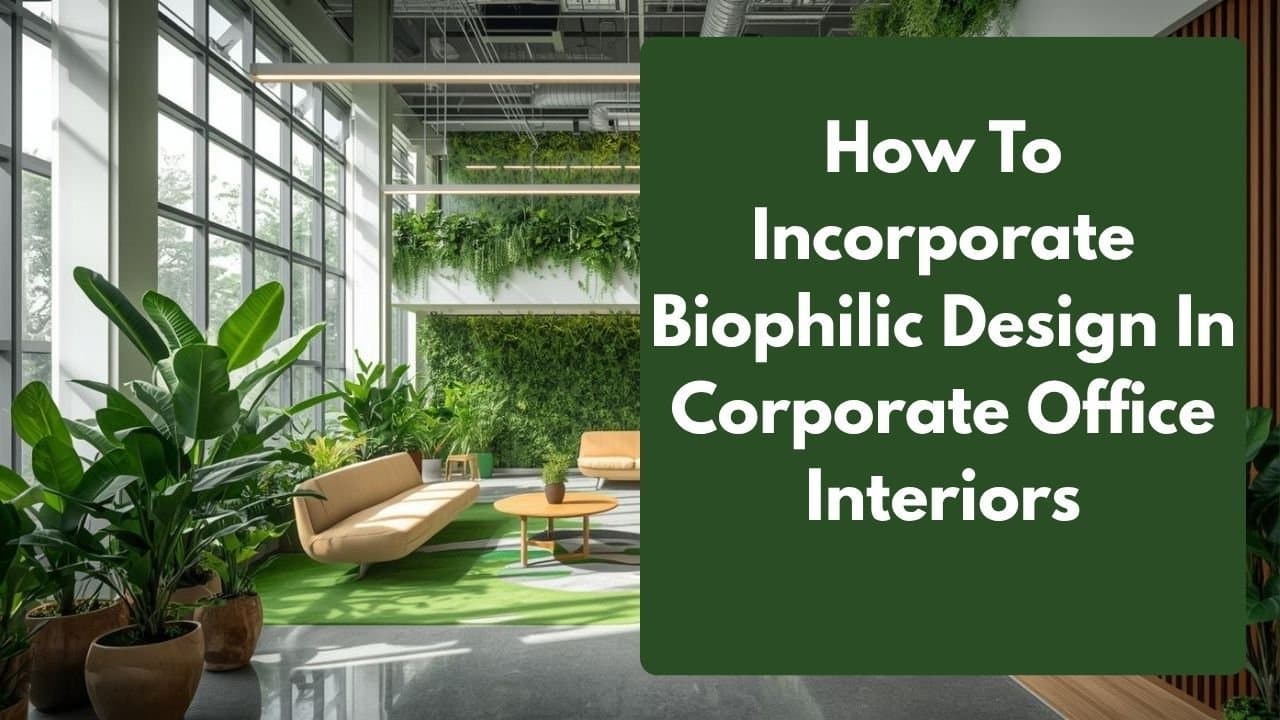
In today’s fast-paced corporate world, where professionals spend most of their waking hours indoors, the importance of designing workspaces that nurture mental well-being, creativity, and productivity cannot be overstated. This is where biophilic design — the concept of bringing nature into the built environment — takes center stage. Biophilic design is more than just adding a few potted plants or green walls to your office; it’s about creating a deep connection between people and nature through thoughtful architectural and interior design strategies.
Research shows that exposure to natural elements in work environments reduces stress, enhances cognitive performance, and improves overall job satisfaction. Global companies like Amazon, Google, and Microsoft have embraced biophilic design principles in their corporate offices, incorporating natural light, indoor greenery, water features, and organic materials to create vibrant, health-focused workplaces.
As sustainability and employee well-being continue to define modern corporate culture, biophilic design has evolved from a trend to a core design philosophy. It not only improves environmental performance but also fosters a sense of calm, belonging, and creativity — elements that are essential in high-pressure office environments.
If you’re considering refreshing your workspace, this guide will walk you through how to incorporate biophilic design effectively and meaningfully into corporate office interiors.
How to Incorporate Biophilic Design in Corporate Office Interiors
1. Maximize Natural Light
One of the simplest and most impactful ways to introduce biophilic design is by enhancing the flow of natural light throughout the office. Large windows, glass partitions, and skylights can help flood the workspace with daylight, reducing the dependence on artificial lighting. Natural light boosts mood, regulates circadian rhythms, and increases productivity. Consider open layouts or transparent materials to allow sunlight to reach deeper areas of the office. For spaces with limited access to daylight, use daylight-simulating LEDs to mimic the natural cycle of the sun.
2. Integrate Indoor Greenery
Plants are the most recognizable and effective element of biophilic design. Incorporating indoor plants, green walls, and vertical gardens can dramatically transform the atmosphere of an office. Not only do plants improve air quality by absorbing toxins, but they also bring vibrancy and visual relief to otherwise sterile corporate spaces. Choose low-maintenance species like pothos, snake plants, or peace lilies, which thrive in indoor environments. You can also introduce planter dividers or hanging gardens to subtly separate spaces while maintaining a cohesive natural theme.
3. Use Natural Materials and Textures
Biophilic design emphasizes tactile and visual connections with nature. Use organic materials such as wood, bamboo, stone, jute, and cork in furniture, wall finishes, and flooring. The texture and warmth of these materials evoke the serenity of the outdoors. For example, wooden ceiling beams or stone accent walls can create grounding focal points. Even subtle touches — like woven fabrics or rattan lighting fixtures — can reinforce the natural theme and make the workspace feel more comfortable and authentic.
4. Incorporate Water Elements
Water is inherently calming and has been proven to reduce stress and mental fatigue. Adding water features like indoor fountains, small waterfalls, or aquariums can introduce a gentle soundscape that promotes relaxation. In modern office interiors, even visual representations of water — such as wall art, glass textures, or blue-toned accents — can achieve a similar effect. These elements create a tranquil environment that helps employees focus and unwind, particularly in high-stress or creative work settings.
5. Optimize Spatial Layout with Natural Flow
Nature is inherently balanced and fluid, and office layouts should reflect the same. Instead of rigid cubicles or boxy arrangements, consider organic flow in space planning. Use curved furniture, open layouts, and transitional zones that mimic the movement found in natural landscapes. Create collaborative zones near windows or green areas, while providing quiet corners for individual work. A well-designed layout with pathways, greenery, and varying textures promotes a sense of exploration and freedom — just like walking through a park.
6. Bring in Natural Colors and Patterns
Color psychology plays a significant role in biophilic design. Incorporate earthy tones and nature-inspired palettes — greens, browns, blues, and muted neutrals — to evoke harmony and calm. Patterns inspired by leaves, waves, or stones can be subtly integrated into carpets, wallpapers, and fabrics. This not only strengthens the visual connection with nature but also creates a consistent, serene aesthetic throughout the workspace.
7. Enhance Air Quality and Natural Ventilation
A truly biophilic office is one that prioritizes fresh air circulation. Proper ventilation systems, air-purifying plants, and openable windows contribute to cleaner indoor air. The presence of oxygen-rich environments keeps employees energized and focused. Integrating natural ventilation also aligns with sustainability goals, reducing the reliance on mechanical systems while enhancing comfort and well-being.
8. Create Outdoor Workspaces or Nature Zones
If your office has access to terraces, courtyards, or balconies, transform them into outdoor workspaces or breakout areas. Incorporate comfortable seating, shade elements, and greenery to encourage employees to step outside and recharge. Even a small outdoor café corner or rooftop garden can provide a refreshing change of scenery that stimulates creativity and mental clarity.
9. Include Nature-Inspired Art and Decor
Not every office can accommodate physical natural elements, but artwork and digital imagery inspired by nature can still foster biophilic connection. Landscape murals, nature photography, or digital screens displaying forest and ocean scenes can evoke feelings of calm and connection. Pairing these visuals with natural textures or scents — like diffusers with botanical fragrances — can create a multi-sensory biophilic experience.
10. Use Dynamic and Diffused Lighting
Just as natural light changes throughout the day, indoor lighting should mimic natural rhythms. Use a combination of direct and diffused lighting to create depth and comfort. Circadian lighting systems that adjust color temperature and intensity based on time of day can help regulate employees’ biological clocks, enhancing alertness during the day and relaxation in the evening. Warm, dimmable lighting also helps create cozy zones within the office.
Conclusion
Incorporating biophilic design in corporate office interiors is not just an aesthetic choice — it’s an investment in employee health, engagement, and organizational success. As workplaces evolve to prioritize sustainability and well-being, the boundaries between nature and architecture continue to blur. Offices designed with biophilic principles promote emotional balance, creativity, and collaboration while reducing absenteeism and burnout.
The beauty of biophilic design lies in its versatility — whether it’s through a wall of greenery, the texture of wood under your fingertips, or the sound of trickling water, every detail contributes to a space that feels alive and inspiring.
By weaving nature into the fabric of the workspace, companies create environments where people don’t just work — they thrive. A biophilic office is more than a design trend; it’s a blueprint for the future of healthy, sustainable, and human-centered workplaces.