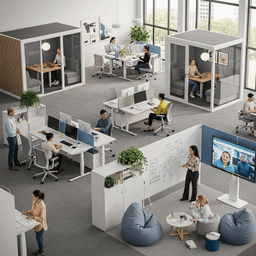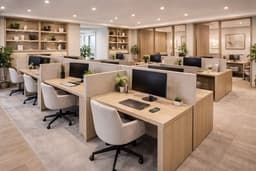
A good office is more than a collection of workstations, cabins and meeting rooms. As the way we work continues to change, businesses are paying more attention to how the workplace makes employees feel. People need spaces where they can have an informal conversation, exchange ideas, take a short break or simply move away from their desks for a few minutes.
This is where well-planned breakout zones can make a real difference.
A thoughtfully designed breakout area can encourage spontaneous collaboration while also giving employees an opportunity to relax and recharge. With the right balance of comfort, functionality and aesthetics, breakout space design can become an important part of a productive and people-focused workplace.

What Is an Office Breakout Area?
An office breakout area is an informal space designed for activities that do not necessarily require a traditional meeting room or workstation. It could be a comfortable seating area, a café-style corner, a collaborative table, a lounge or even a small outdoor-inspired space.
Unlike formal meeting rooms, breakout areas tend to have a more relaxed atmosphere. Employees can use them for quick discussions, brainstorming, casual meetings, individual work or short breaks.
The key is flexibility. A good breakout space should be able to support different activities without feeling overly structured.
Why Breakout Zones Matter in Modern Workplaces
Work can become repetitive when employees spend most of their day in the same position and environment. Giving people access to different types of spaces can help create a more dynamic workplace.
Well-designed office breakout areas can encourage employees to interact with colleagues outside their immediate teams. A quick conversation over coffee can sometimes lead to a new idea, while an informal brainstorming session can feel more natural in a relaxed setting than inside a formal conference room.
These spaces can also contribute to employee wellbeing. A comfortable area where employees can step away from their screens for a few minutes can provide a valuable mental break during a busy day.
This is why breakout zones are increasingly becoming part of workplace wellness design, rather than being treated simply as an additional seating area.

1. Create Spaces for Different Types of Interaction
Not every conversation requires a conference room.
Some discussions are short and informal, while others require a more collaborative environment. Breakout zones can accommodate both.
Consider creating different seating arrangements within the same area. Lounge chairs can work well for casual conversations, while a communal table can encourage group discussions and brainstorming.
Small two- or three-person seating areas can also provide employees with quieter spaces for focused conversations.
The idea is to give employees choices rather than forcing every interaction into the same type of setting.
2. Focus on Comfort
Comfort should be one of the first considerations when planning a breakout zone.
Furniture that looks attractive but is uncomfortable will rarely be used for long. Ergonomic lounge seating, sofas, upholstered chairs and appropriately sized tables can make the space more inviting.
Lighting also plays an important role. Harsh lighting can make a relaxation area feel too formal, while warm and well-distributed lighting can create a more comfortable atmosphere.
Materials, textures and finishes can further influence how the space feels. Wood, fabric, plants and other natural elements can help create a softer environment within a busy office.
3. Encourage Collaboration Without Creating Noise
One of the main purposes of breakout areas is to encourage interaction, but simply placing a few chairs together does not automatically create a collaborative workspace.
The location and layout matter.
Breakout zones can be positioned near common areas, cafeterias or circulation spaces where employees naturally pass through. At the same time, they should be planned carefully so conversations do not disturb employees working nearby.
Acoustic treatments, partitions, rugs, ceiling elements and soft furnishings can help control sound while maintaining an open atmosphere.
A successful breakout area should encourage conversation without turning the surrounding workplace into a noisy environment.

4. Bring Nature Into the Workplace
Biophilic elements can make breakout spaces feel more refreshing and relaxing.
Indoor plants, natural textures, timber finishes, earthy materials and views of greenery can introduce a sense of connection with nature. Even small touches, such as planter partitions or a few strategically placed plants, can change the character of an otherwise ordinary office area.
For businesses focusing on workplace wellness design, incorporating natural elements is a simple way to make breakout spaces feel less corporate and more welcoming.

5. Make the Space Flexible
Workplaces need to adapt as teams and working styles change. A breakout area designed for only one purpose may quickly become underutilised.
Flexible furniture can solve this problem.
Moveable tables, modular seating and lightweight chairs allow employees to rearrange the space according to their needs. The same area could be used for a casual team discussion in the morning, individual work later in the day and an employee engagement activity in the evening.
This flexibility is particularly valuable in modern office interiors, where multifunctional spaces are becoming increasingly important.
6. Add a Relaxation Zone
Collaboration is important, but employees also need places where they can disconnect briefly.
An office relaxation zone could include comfortable lounge seating, a small café counter, reading corner or quiet nook. The purpose is not to create a space where employees avoid work, but to provide a healthy transition between periods of intense concentration.
Even a few minutes away from a screen can help employees reset before returning to their tasks.
The design should therefore feel distinctly different from the main workstations. Softer lighting, comfortable furniture, plants and warmer finishes can help create that visual and psychological separation.
7. Reflect the Company’s Identity
Breakout spaces are also an opportunity to express a company’s culture and personality.
Colours, materials, artwork, graphics and furniture can be selected to reflect the brand while keeping the space comfortable and approachable.
For creative companies, the area could feature bold graphics and flexible furniture. A corporate workplace might prefer a more refined palette with sophisticated materials and subtle branding.
The goal is to create a space that feels connected to the organisation without turning it into another branded display area.

8. Design for Employee Engagement
Breakout areas can become useful employee engagement spaces when they are designed around how people actually interact.
A coffee corner can encourage informal conversations. A shared table can support team discussions. A comfortable lounge can become a place for employees from different departments to connect.
Small details such as charging points, Wi-Fi access, writable surfaces and convenient power outlets can also make the space more practical.
The more naturally a breakout area fits into the working day, the more likely employees are to use it.
Turning Breakout Spaces Into a Workplace Advantage
Good breakout space design is not about adding a trendy sofa or creating an attractive corner simply for photographs. It is about understanding how people work, interact and recharge throughout the day.
When planned properly, breakout zones can support collaboration, improve flexibility and contribute to employee wellbeing. They can also make the workplace feel more welcoming and encourage employees to move beyond traditional desk-based working.
As businesses continue to rethink their offices, these spaces are becoming an important part of workspace innovation. The workplace of the future will not be defined only by how efficiently it accommodates employees, but also by how effectively it supports their experience.
A thoughtfully designed breakout zone can be a small part of an office, but its impact can extend far beyond its physical size. By combining comfort, functionality, flexibility and wellness-focused design, businesses can create workplaces where people have more opportunities to connect, collaborate and feel at ease.