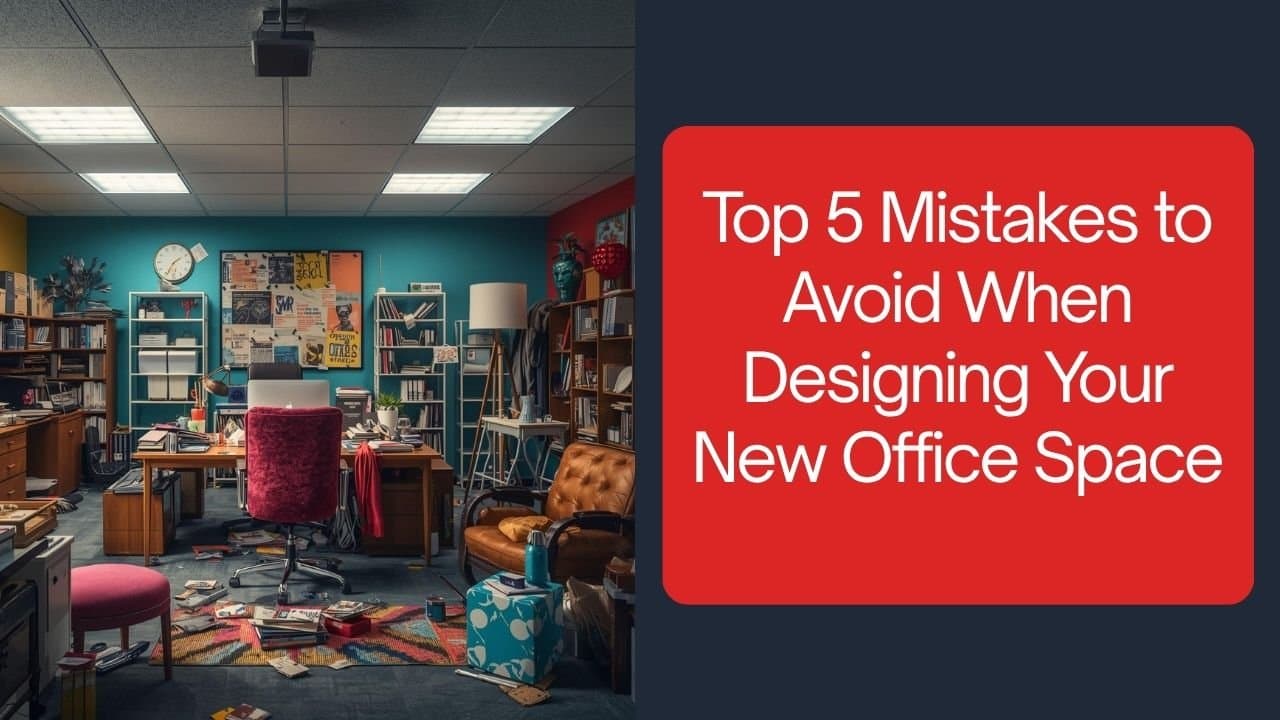
Designing a new office space is an exciting milestone for any company. It’s more than just creating a place to work—it’s about building an environment that reflects your brand, supports productivity, and enhances employee well-being. However, many organizations underestimate the complexity that goes into a successful office design. Every element—from layout and lighting to ergonomics and color choices—plays a crucial role in shaping how people feel and perform in their workspace.
In the world of commercial office design, there’s a delicate balance between functionality, aesthetics, and employee comfort. The most effective spaces don’t just look good—they work seamlessly for everyone who uses them. Unfortunately, even the best-intentioned office projects can go off track due to common mistakes that often appear minor at first but end up creating long-term inefficiencies, discomfort, or wasted investment.
Whether you’re setting up a brand-new workplace or renovating an existing one, it’s vital to avoid pitfalls that can compromise the overall experience. Here are the top 5 mistakes to avoid when designing your new office space—and how you can create an environment that truly supports productivity, collaboration, and happiness.
Top 5 Mistakes to Avoid When Designing Your New Office Space
1. Ignoring Employee Needs and Work Styles
One of the biggest mistakes companies make is designing an office without considering the people who will use it daily. Every organization has diverse teams with varying tasks—some need quiet zones for focused work, while others thrive in collaborative, open spaces. A “one-size-fits-all” approach often leads to dissatisfaction and poor productivity.
To avoid this, conduct employee surveys or workshops before finalizing the layout. Gather feedback on how teams prefer to work, what challenges they face in their current setup, and what features would make them more comfortable. Incorporating different types of spaces—like private booths, open lounges, meeting rooms, and flexible desks—can cater to multiple work styles.
A well-thought-out office not only improves efficiency but also makes employees feel valued and heard, ultimately boosting morale and retention.
2. Overlooking Lighting and Acoustics
Lighting and sound may seem secondary to furniture or layout, but they significantly impact mood, concentration, and energy. Poor lighting—especially excessive use of harsh artificial light or lack of access to natural light—can cause eye strain, fatigue, and even lower productivity. Similarly, unmanaged acoustics can lead to distractions and stress, especially in open-plan offices.
The solution is to prioritize natural light wherever possible. Position workstations near windows and use glass partitions to let daylight filter through the space. Supplement with adjustable LED lighting that mimics daylight rhythms to maintain alertness throughout the day.
For acoustics, consider sound-absorbing materials like acoustic panels, carpets, or ceiling baffles. Designate quiet zones away from high-traffic areas and use plants or soft furnishings to naturally dampen sound. The right combination of light and sound design can make your office feel both vibrant and comfortable.
3. Neglecting Flexibility and Future Growth
Many businesses design their offices based on current needs, forgetting that their team, technology, and workflow will evolve over time. Rigid layouts with fixed furniture and limited adaptability can quickly become outdated or overcrowded as the company grows.
To avoid this, plan for flexibility from the start. Choose modular furniture that can be easily rearranged, opt for movable partitions, and design multi-purpose spaces that can adapt to changing requirements—like converting a small meeting room into a training zone or creative corner.
Additionally, consider future technology integration—ensure that your office has ample electrical outlets, network points, and smart infrastructure. A forward-thinking design saves both money and hassle down the road, ensuring your workspace grows alongside your business.
4. Prioritizing Aesthetics Over Functionality
A visually stunning office can certainly impress clients and visitors, but looks should never come at the cost of functionality. A common mistake is focusing too heavily on trendy designs, color schemes, or statement furniture without ensuring comfort or usability.
For example, minimalist furniture might look sleek but may lack proper ergonomic support. Similarly, a decorative open layout could compromise privacy and productivity if not balanced with quiet areas. The goal should be to design an office that feels good and works well—where every design choice serves a purpose.
To strike the right balance, combine aesthetic appeal with practicality. Invest in ergonomic chairs, height-adjustable desks, and user-friendly storage solutions. Incorporate design elements that reflect your brand identity while maintaining a layout that promotes seamless workflow. Remember: beauty catches the eye, but functionality keeps people happy.
5. Forgetting the Importance of Breakout and Wellness Areas
In modern workplaces, employee well-being is directly linked to performance. Yet, many offices still underestimate the value of dedicated spaces for relaxation and informal interaction. Without proper breakout areas, employees may struggle to decompress or connect with colleagues, leading to burnout or low engagement.
Incorporate wellness zones such as cozy lounges, cafeterias, game areas, or meditation corners. Even a small, well-designed breakout space with comfortable seating, plants, and soft lighting can do wonders for mental refreshment. Encourage movement by integrating standing desks or promoting walking meetings.
By prioritizing wellness, you create a balanced environment where employees not only work efficiently but also feel motivated and cared for. A happy workforce naturally translates to higher creativity, lower absenteeism, and stronger team spirit.
Conclusion
Designing a new office space is a creative and strategic journey that can shape your company’s future culture and performance. Avoiding these common mistakes ensures your investment translates into a workspace that is efficient, inspiring, and aligned with your organizational goals.
A successful office design is not just about furniture placement or color palettes—it’s about creating an experience. When planned thoughtfully, your workspace becomes more than a physical environment; it becomes a reflection of your company’s values, aspirations, and people.
By understanding employee needs, balancing aesthetics with function, embracing flexibility, and integrating wellness, you can build an office that fuels innovation, collaboration, and satisfaction. Remember, your office isn’t just where work happens—it’s where ideas grow, relationships strengthen, and success begins.
In the end, designing a great office isn’t about avoiding mistakes alone—it’s about creating a space where people and purpose thrive together.