In today’s highly competitive retail landscape, success depends on more than just the quality of products or pricing—it’s also about the experience a customer has the moment they step into your store. The ambience, design, flow, and overall sensory environment play a major role in shaping a shopper’s mood, decision-making, and ultimately, their purchasing behavior. Two of the most powerful yet often underestimated elements that influence this experience are store layout and lighting.
Retail psychology has long established that customers rarely make purchase decisions based on logic alone. Instead, emotions and subconscious cues guide their behavior. The way products are displayed, how easily customers can navigate the store, and the kind of lighting used can all evoke specific feelings—comfort, curiosity, excitement, or even urgency. A strategically designed layout can subtly guide customers through key product areas, while well-placed lighting can highlight premium merchandise and create a sense of warmth or exclusivity.
For instance, a cluttered or poorly lit store can make shoppers feel overwhelmed or uninterested, leading to shorter visits and fewer purchases. On the other hand, an inviting space with the right illumination encourages exploration, increases dwell time, and enhances the perceived value of the products. In essence, store layout and lighting are silent salespeople, working behind the scenes to influence customer engagement and conversion.
In this blog, let’s explore how store layout and lighting affect customer buying behavior, and how retailers can use these elements to create a seamless and emotionally engaging shopping experience.
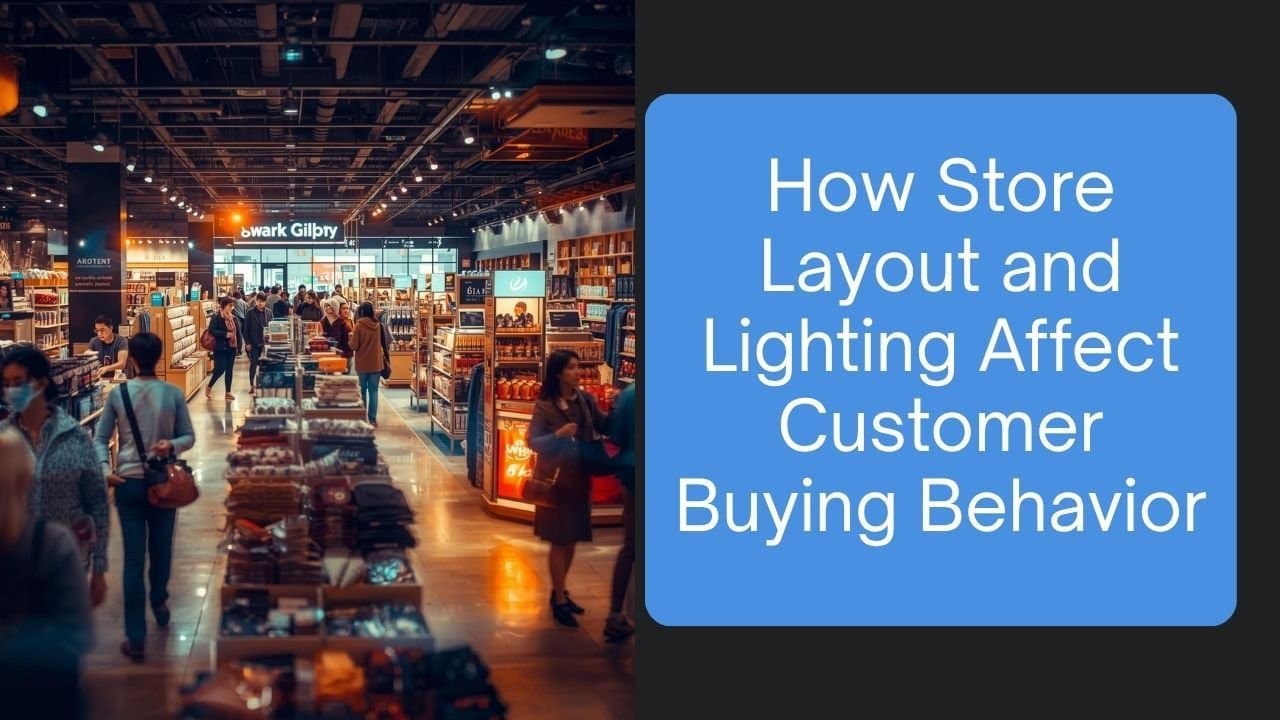
How Store Layout and Lighting Affect Customer Buying Behavior
1. Store Layout Determines Flow and Navigation
The store layout is the blueprint of the shopping experience. It dictates how customers move through the space, what they notice first, and how long they stay. A well-planned layout uses a deliberate path that naturally guides shoppers past high-margin or seasonal products, maximizing exposure and encouraging impulse buying.
There are several layout styles—grid layouts (common in supermarkets), loop or racetrack layouts (common in department stores), and free-flow layouts (often used in boutiques). Each serves a different purpose. For example, a grid layout promotes efficiency and ease of navigation for quick shopping trips, while a loop layout encourages customers to explore the entire store.
Retailers can strategically place high-demand items at the back to encourage customers to walk through other sections, increasing the likelihood of unplanned purchases. Clear signage, open pathways, and focal points ensure the journey feels effortless, not forced—creating a positive emotional experience that subtly motivates buying behavior.
2. Lighting Sets the Mood and Emotional Tone
Lighting doesn’t just make products visible—it sets the emotional atmosphere of a store. Bright, warm lighting creates a sense of energy and excitement, ideal for fast-moving retail environments like fashion or electronics stores. In contrast, soft, dim lighting can evoke luxury, comfort, or intimacy, which works well in high-end boutiques, jewelry shops, or spas.
The color temperature of lighting also influences perception. Warm hues (yellow/orange tones) make spaces feel welcoming and personal, while cooler tones (white/blue light) create a modern, clean aesthetic. Furthermore, accent lighting can be used to highlight specific products, drawing customer attention to premium or new arrivals.
Research shows that lighting affects how long customers stay and how they perceive product quality. Well-illuminated products appear more appealing and valuable, while poor lighting can diminish interest—even if the product itself is high quality. Hence, thoughtful lighting design can directly increase both customer satisfaction and sales.
3. Product Placement and Visual Hierarchy
Store layout and lighting work hand in hand to establish a visual hierarchy, guiding the customer’s eyes and attention. Products placed at eye level tend to sell more because they are immediately visible and accessible. Similarly, end caps (the displays at the end of aisles) attract impulse buyers since they interrupt the natural flow and grab attention.
Lighting enhances this hierarchy by emphasizing key areas—spotlights can be used to highlight featured products, while softer ambient lighting ensures a comfortable viewing experience throughout the store. For example, using stronger lighting on display shelves and subtle lighting in walkways naturally draws attention where it matters most.
Retailers who understand this visual psychology can influence buying behavior without the customer even realizing it. By strategically combining layout and lighting, they create focal points that encourage product interaction and ultimately increase conversion rates.
4. Enhancing Dwell Time and Engagement
The longer a customer spends inside a store, the higher the chance they will make a purchase. Both layout and lighting play crucial roles in extending dwell time by making the shopping experience enjoyable and engaging.
A spacious, well-organized layout prevents overcrowding and creates a sense of comfort, inviting customers to explore more. Meanwhile, lighting can be used creatively to make certain areas feel cozy and inviting—such as lounge corners or interactive display zones.
For instance, ambient lighting that transitions between zones (like warm light in clothing areas and brighter light near accessories) helps maintain visual interest and encourages customers to keep moving. Interactive displays with dynamic lighting can further enhance engagement, making shopping feel more like an experience than a task.
The result? Customers feel relaxed, inspired, and more inclined to browse—and in turn, buy.
5. Influence on Perceived Product Value
Lighting can completely transform how customers perceive product value and quality. In luxury stores, for example, low, focused lighting on a single item creates a sense of exclusivity and importance. It tells the shopper: this product is special. On the other hand, harsh or inconsistent lighting can make even premium items look cheap or unappealing.
Similarly, store layout affects perceived value by influencing context. High-end stores typically space out their products, creating room to breathe and signaling exclusivity. Discount stores, conversely, use dense shelving and tighter layouts to communicate abundance and affordability.
By aligning lighting and layout with brand positioning, retailers can shape not only buying decisions but also how customers perceive the entire shopping experience. It’s a subtle but powerful way to influence consumer psychology—making customers feel confident about their purchases and more loyal to the brand.
Conclusion
The art of retail design goes far beyond aesthetics—it’s a psychological strategy that influences how people feel, think, and behave inside a store. Both store layout and lighting are crucial tools in shaping that emotional and behavioral response. A clutter-free layout encourages exploration, while thoughtful lighting highlights the right products and creates an inviting atmosphere that inspires trust and engagement.
In essence, the store interior becomes a silent communicator between brand and customer. Every design decision—from the arrangement of aisles to the warmth of a spotlight—contributes to how shoppers perceive value, comfort, and brand identity. When executed well, these design elements transform the shopping journey into a sensory experience that motivates action and loyalty.
As physical retail continues to compete with online shopping, success depends on crafting immersive experiences that go beyond transactions. A well-designed store interior, enhanced by purposeful layout and strategic lighting, can turn casual visitors into loyal customers—proving that how a store feels can be just as powerful as what it sells.
Looking for professional design and build services? Contact Onefold today for expert design and build solutions that bring creativity, functionality, and precision together to transform your space.