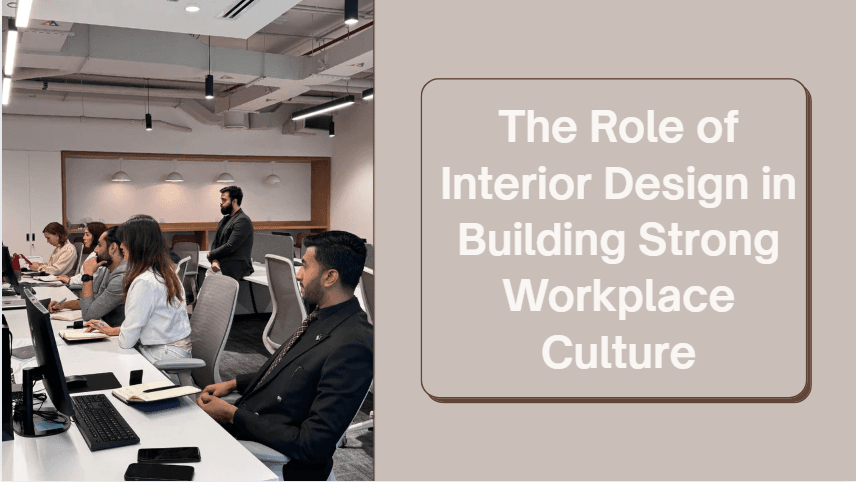
In today’s competitive business world, companies are realizing that workplace culture is more than just a trendy buzzword—it is a critical driver of employee satisfaction, productivity, and overall success. While policies, leadership, and communication play significant roles in shaping workplace culture, the physical environment is equally important. The way an office is designed directly influences how employees interact, collaborate, and feel about their organization.
Interior design goes beyond the aesthetics of selecting furniture or paint colors; it serves as a silent yet powerful communicator of an organization’s values, identity, and vision. A thoughtfully designed office space can inspire creativity, foster collaboration, improve employee well-being, and create a sense of belonging. On the other hand, a poorly designed workplace can lead to disengagement, high turnover, and even stress-related health issues.
As organizations shift toward hybrid work models and flexible arrangements, the physical office is evolving into more than just a place to perform tasks—it is becoming a hub for collaboration, innovation, and cultural reinforcement. This is where interior design plays a transformative role in shaping and strengthening workplace culture.
The Role of Interior Designers in Building Workplace Culture
Interior designers are not merely tasked with making spaces look appealing; they play a central role in creating environments that reflect organizational values, enhance employee experiences, and foster a strong company culture. Here’s how interior designers contribute:
1. Translating Brand Values into Physical Space
Interior designers ensure that the office space reflects the organization’s mission, values, and identity. For instance, a tech startup that values innovation may opt for open collaborative areas with flexible seating, while a law firm may prefer private offices and formal meeting rooms that communicate professionalism and confidentiality. By embedding brand values into design elements such as color schemes, wall graphics, and layouts, designers help employees feel aligned with the company’s purpose.
2. Fostering Collaboration and Communication
The way a workplace is laid out significantly impacts collaboration. Interior designers create environments that balance open spaces for teamwork with private zones for focused work. Features like breakout areas, lounge-style meeting spaces, and strategically placed communal zones encourage employees to connect, share ideas, and work more effectively together.
3. Enhancing Employee Well-being
Workplace culture thrives when employees feel valued and cared for. Designers prioritize ergonomic furniture, natural lighting, greenery, and wellness rooms to promote both physical and mental well-being. A well-designed office can reduce stress, minimize fatigue, and boost morale—factors that directly contribute to a positive culture.
4. Encouraging Diversity and Inclusivity
Modern workplaces must be inclusive. Interior designers create accessible spaces for people with disabilities, quiet zones for those who prefer focused environments, and cultural elements that respect diversity. Inclusive design ensures that every employee feels represented, respected, and comfortable within the workplace.
5. Promoting Flexibility and Adaptability
As workplace dynamics evolve, flexibility is crucial. Designers incorporate modular furniture, movable walls, and multipurpose areas that can adapt to different needs—whether it’s team brainstorming, training sessions, or individual work. This flexibility mirrors an adaptable workplace culture where employees feel empowered to choose how they work best.
6. Strengthening Sense of Belonging
Interior design can help employees feel connected to their company and colleagues. Personalization options, community-driven design features (like displaying employee achievements or collaborative art walls), and shared social spaces encourage employees to feel proud of being part of the organization, reinforcing cultural bonds.
7. Supporting Sustainability and Responsibility
Sustainability is becoming a cornerstone of workplace culture. Interior designers who incorporate eco-friendly materials, energy-efficient lighting, and sustainable design solutions not only help the environment but also communicate the company’s responsibility and forward-thinking mindset. This creates a culture of responsibility and awareness that employees resonate with.
Conclusion
Workplace culture is the invisible fabric that binds employees together and drives organizational success. While leadership and HR initiatives are essential in cultivating this culture, the role of the physical workspace cannot be overstated. Interior design acts as the bridge between a company’s values and its employees’ daily experiences.
By thoughtfully crafting spaces that reflect brand identity, encourage collaboration, prioritize well-being, embrace inclusivity, and promote adaptability, interior designers help shape cultures that are not only strong but also resilient. The design of a workplace sends powerful messages—about trust, innovation, community, and care—that employees internalize over time.
In an era where employee experience and company culture are key differentiators for attracting and retaining top talent, interior design is no longer a luxury but a strategic necessity. Organizations that invest in well-designed workplaces are not just creating attractive offices—they are building environments that cultivate loyalty, creativity, and shared purpose.
Ultimately, a workplace designed with culture in mind does more than house employees; it nurtures them, inspires them, and unites them around a common vision. Interior design, therefore, is not just about shaping spaces—it’s about shaping the very culture that defines an organization’s future.